


![Sports Blanks [Wood]](http://stadiumpenblanks.com/cdn/shop/collections/Stadium-Wood.png?v=1727373383&width=3840)
![Sports Blanks [Plastic]](http://stadiumpenblanks.com/cdn/shop/collections/Plastic.png?v=1727373361&width=3840)
![Sports Blanks [All] - MLB](http://stadiumpenblanks.com/cdn/shop/collections/MLB.png?v=1727372677&width=3840)
![Sports Blanks [All] - NFL](http://stadiumpenblanks.com/cdn/shop/collections/NFL.png?v=1727372610&width=3840)

![Sports Blanks [All] - NBA](http://stadiumpenblanks.com/cdn/shop/collections/nba.png?v=1727372751&width=3840)
![Sports Blanks [All] - NHL](http://stadiumpenblanks.com/cdn/shop/collections/nhl.png?v=1727372784&width=3840)
![Sports Blanks [All] - NASCAR](http://stadiumpenblanks.com/cdn/shop/collections/NASCAR.png?v=1727372736&width=3840)
![Sports Blanks [All] - International Football Clubs](http://stadiumpenblanks.com/cdn/shop/collections/International.png?v=1727383899&width=3840)
![Sports Blanks [All] - MiLB](http://stadiumpenblanks.com/cdn/shop/collections/MiLB.png?v=1727372662&width=3840)
![Sports Blanks [All] - MLS](http://stadiumpenblanks.com/cdn/shop/collections/MLS.png?v=1727372725&width=3840)
![Sports Blanks [All] - Racing](http://stadiumpenblanks.com/cdn/shop/collections/horse.png?v=1727373032&width=3840)


![DinoBone 1 - Mold Body - 5.25" x 7/8" Pen Blanks [[SECONDS]] 40% Off](http://stadiumpenblanks.com/cdn/shop/files/DinoBone1-top-SECOND.png?v=1749599743&width=50)
![DinoBone 2 - Mold Body - 5.25" x 7/8" Pen Blanks [[SECONDS]] 40% Off](http://stadiumpenblanks.com/cdn/shop/files/DinoBone2-top-SECOND.png?v=1749599743&width=50)
![DinoBone 3 - Mold Body - 5.25" x 7/8" Pen Blanks [[SECONDS]] 40% Off](http://stadiumpenblanks.com/cdn/shop/files/DinoBone3-top-SECOND.png?v=1749599743&width=50)
![DogBone 1 - Mold Body - 5.5" x 3/4" Pen Blanks [[SECONDS]] 40% Off](http://stadiumpenblanks.com/cdn/shop/files/DogBone1-top-SECOND.png?v=1749609967&width=50)
![DogBone 2 - Mold Body - 5.5" x 3/4" Pen Blanks [[SECONDS]] 40% Off](http://stadiumpenblanks.com/cdn/shop/files/DogBone2-top-SECOND.png?v=1749609967&width=50)


811 products
Sort by:
811 products


• 100% cotton
• Sport Grey 90% cotton, 10% polyester
• Fabric weight: 5.0–5.3 oz/yd² (170-180 g/m²)
• Open-end yarn
• Tubular fabric
• Taped neck and shoulders
• Double seam at sleeves and bottom hem
• Blank product sourced from Honduras, Nicaragua, Haiti, Dominican Republic, Bangladesh, Mexico
Size guide
| S | M | L | XL | 2XL | |
| Length (inches) | 28 | 29 | 30 | 31 | 32 |
| Width (inches) | 18 | 20 | 22 | 24 | 26 |
| Sleeve length (inches) | 15 ⅝ | 17 | 18 ½ | 20 | 21 ½ |


• 65% polyester, 35% cotton pique
• Flat knit collar and cuffs
• Metal buttons with dyed-to-match plastic rims
• Side vents for breathability
• Relaxed fit that runs large
Size guide
| S | M | L | XL | 2XL | |
| Chest width (inches) | 20 ½ | 21 ½ | 23 ½ | 25 ½ | 27 |
| Length (inches) | 29 | 30 | 31 | 32 | 33 |
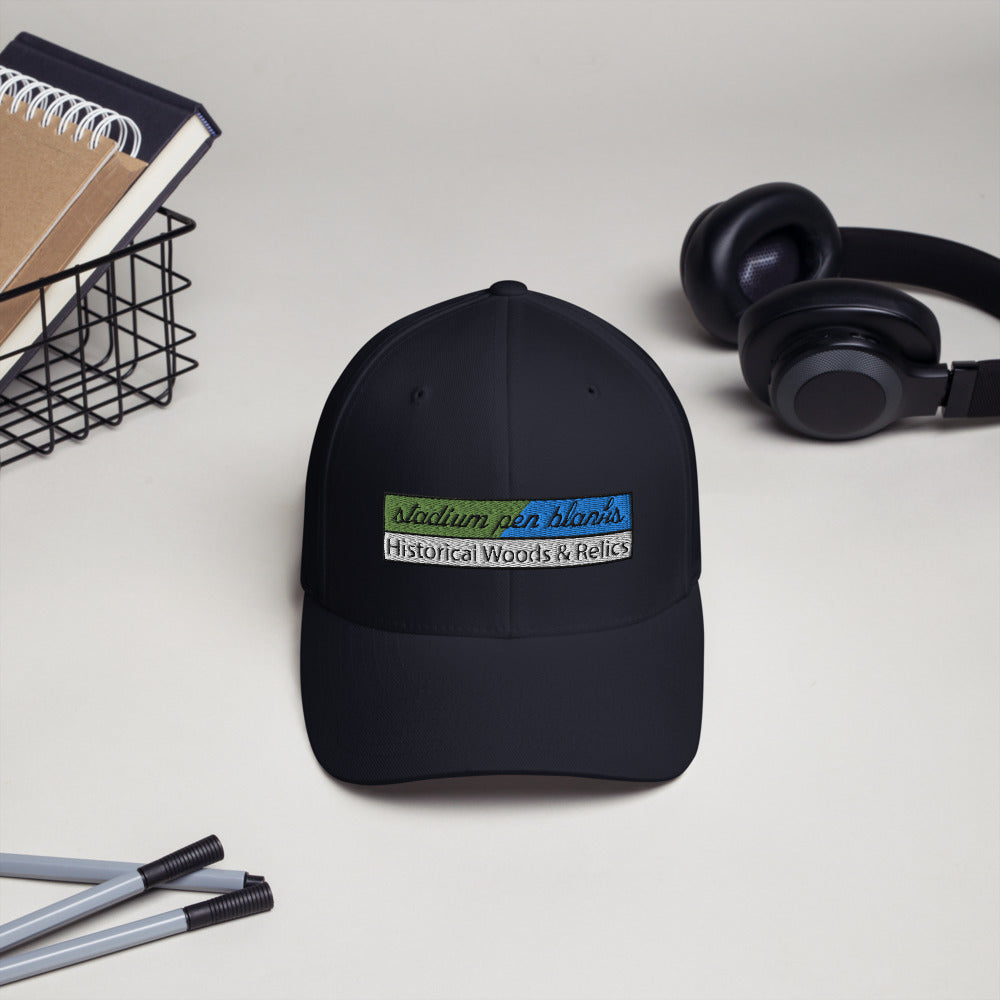

• 63% polyester/34% cotton/3% spandex twill
• Structured, 6-panel, mid-profile
• Stretch band
• Silver under visor
• Head circumference: 22” - 23 ⅞”
Size guide
| S/M | L/XL | |
| Size (inches) | 21 ¼-22 ¾ | 22 ⅜-23 ⅞ |


• 100% combed and ring-spun cotton
• Athletic heather is 90% cotton, 10% polyester
• Other heather colors are 52% cotton, 48% polyester
• Fabric weight: 4.2 oz/y² (142 g/m²)
• Pre-shrunk fabric
• Crew neck
• Relaxed fit
• Side-seamed
Size guide
| S | M | L | XL | 2XL | |
| Shirt Width (inches) | 18 1/2 | 20 | 22 | 24 | 26 |
| Shirt Length (inches) | 25 1/4 | 26 | 26 3/4 | 27 1/2 | 28 1/4 |
| US size | 2 | 6 | 10 | 14 | 18 |
| EU size | 32 | 36 | 40 | 44 | 48 |


Shopping for someone else but not sure what to give them?
Give them the gift of choice with a Stadium Pen Blanks gift card.
Gift cards are delivered by email and contain instructions to redeem them at checkout.
Our gift cards have no additional processing fees.


SPB Magic Juice Polishing Compound 10ml Sample Set – Professional Resin Pen Blanks Polish
Magic Juice 10ml Sample Set for Resin Pen Blanks
SPB Magic Juice is a complete, numbered 6-step polishing system designed specifically for resin pen blanks, embedded-object casts, plastics, hybrid blanks, and CA or Craft Coat finishes. This affordable 10ml sample set lets pen turners test the full professional workflow before committing to larger sizes. Perfect for achieving that high-gloss, mirror-like finish on your turned pens.
What's Included in the 10ml Magic Juice Set
You get six numbered bottles (STEP #1 through STEP #6) in updated, easy-to-follow packaging. Each 10ml bottle provides enough compound for multiple small projects, so you can experience the complete progression from coarse cutting to ultra-fine final polish.
How to Use Magic Juice for Flawless Results
Wet-sand your turned pen blank to 800–2000 grit (2000 grit recommended for best results).
Mount on the lathe at 2400–3000 RPM.
Apply a pencil-eraser-sized dab of compound.
Work each step for 20–60 seconds with mild pressure.
Progress to the next numbered bottle once the surface feels noticeably smoother.
Pro Tip: For porous, hybrid, or stabilized wood/resin blanks, apply a sealing finish like CA glue or Craft Coat first. Magic Juice excels on solid resin, plastics, and properly sealed surfaces. It is not recommended for raw wood or friction polishes. The formula is water-based—store above freezing.
Why Pen Turners Love Magic Juice
This system delivers professional results on resin pen blanks, sports memorabilia embeds, acrylics, and more. Whether you're finishing a single custom pen or batch-producing for sale, Magic Juice removes swirl marks, haze, and micro-scratches while building incredible depth and shine. Many turners pair it with Stadium Pen Blanks' premium resin and hybrid collections for showroom-quality pieces every time.
Benefits:
Easy numbered steps eliminate guesswork
Works on CA, Craft Coat, and similar finishes
Affordable entry point with the 10ml sample set
Scalable — upgrade to 1oz or 2oz sizes for high-volume turning
Consistent, repeatable high-gloss results
Pair Magic Juice with Quality Blanks & Supplies
Elevate every project by combining Magic Juice with Stadium Pen Blanks resin casts, stabilized hybrids, and premium pen kits. Our blanks turn smoothly and polish beautifully with this system. Explore the full Magic Juice collection along with Craft Coat for the ultimate finishing workflow. Don’t forget a Magic Juice Bottle Holder System to keep your workspace organized.
Whether you're a beginner pen turner or seasoned pro, Magic Juice transforms good pens into stunning, eye-catching masterpieces. Customers consistently report faster polishing times and superior shine compared to traditional compounds.
Ready to take your resin pen blanks to the next level? Add the SPB Magic Juice 10ml Sample Set to your cart today and experience the difference professional polishing makes. In stock and ready to ship.
SPB Magic Juice delivers a complete numbered polishing system for resin pen blanks, embedded-object casts, plastics, and CA or CC finishes. The 10ml sample set gives pen turners an affordable way to test the full workflow before upgrading to larger sizes. This polish excels on pen blanks, plastic sports blanks, hybrid blanks, and resin embed casts. Finish your next project with matching pen kits and explore the full range in the Magic Juice collection.


• 100% cotton
• Sport Grey is 90% cotton, 10% polyester
• Ash Grey is 99% cotton, 1% polyester
• Heather colors are 50% cotton, 50% polyester
• Fabric weight: 5.0–5.3 oz/yd² (170-180 g/m²)
• Open-end yarn
• Tubular fabric
• Taped neck and shoulders
• Double seam at sleeves and bottom hem
• Blank product sourced from Honduras, Nicaragua, Haiti, Dominican Republic, Bangladesh, Mexico
This product is made especially for you as soon as you place an order, which is why it takes us a bit longer to deliver it to you. Making products on demand instead of in bulk helps reduce overproduction, so thank you for making thoughtful purchasing decisions!
Size guide
| LENGTH (inches) | WIDTH (inches) | SLEEVE LENGTH (inches) | |
| S | 28 | 18 | 15 ⅝ |
| M | 29 | 20 | 17 |
| L | 30 | 22 | 18 ½ |
| XL | 31 | 24 | 20 |
| 2XL | 32 | 26 | 21 ½ |
| 3XL | 33 | 28 | 22 ¾ |
| 4XL | 34 | 30 | 24 ¼ |
| 5XL | 35 | 32 | 25 ¼ |


• 100% cotton
• Sport Grey is 90% cotton, 10% polyester
• Ash Grey is 99% cotton, 1% polyester
• Heather colors are 50% cotton, 50% polyester
• Fabric weight: 5.0–5.3 oz/yd² (170-180 g/m²)
• Open-end yarn
• Tubular fabric
• Taped neck and shoulders
• Double seam at sleeves and bottom hem
• Blank product sourced from Honduras, Nicaragua, Haiti, Dominican Republic, Bangladesh, Mexico
This product is made especially for you as soon as you place an order, which is why it takes us a bit longer to deliver it to you. Making products on demand instead of in bulk helps reduce overproduction, so thank you for making thoughtful purchasing decisions!


Wooden seat pen blanks!
Pen Blanks are 3/4" x 3/4"
Stopper and Call blanks 1-1/2" x 1-1/2"
All blanks will come with one COA per blank. COAs are 4" x 6" card stock with silver foil embossed COA seal.
All blanks are cut as they are ordered.
------------------------------------------------------------
Stagg Field, located at the University of Chicago, was originally a football stadium named after legendary coach Amos Alonzo Stagg. It served as the home of the university’s football team until the program was discontinued in 1939. While the stadium itself was demolished in 1957, Stagg Field is most famous for its role in history during World War II.
On December 2, 1942, beneath the stadium’s west stands, physicist Enrico Fermi and his team conducted the world’s first controlled, self-sustaining nuclear chain reaction as part of the Manhattan Project. This groundbreaking experiment marked the beginning of the atomic age.
The University of Chicago, founded in 1890, is one of the world's leading research institutions. Known for its rigorous academics and influential faculty, the university has made significant contributions in physics, economics, and law. Today, the site of Stagg Field is commemorated by the Henry Moore sculpture "Nuclear Energy," honoring its pivotal role in scientific history.

Wooden seat pen blanks!
Pen Blanks are 3/4" x 3/4"
Knife Scales are 5" x 1-1/2" x 3/8"
Bottle Stoppers are 2-1/2" x 1-1/2"
All blanks will come with one COA per blank. COAs are 4" x 6" card stock with silver foil embossed COA seal.
All blanks are cut as they are ordered.
------------------------------------------------------------
Hardin Penworks, LLC, certifies that material supplied to the artisan of the accompanying hand-crafted item was sourced from the original wooden seating of Stamford Bridge.
Commonly referred to as The Bridge, it is a football stadium in Fulham, adjacent to the borough of Chelsea in South West London. It is the home of Chelsea Football Club, which competes in the Premier League.
Opened in 1877, the stadium was used by the London Athletic Club until 1905, when new owner Gus Mears founded Chelsea Football Club to occupy the ground; Chelsea have played their home games there ever since. It has undergone major changes over the years, most recently in the 1990s when it was renovated into a modern, all-seater stadium.
This material is guaranteed to be 100% Authentic.

Basketball floor
Pen Blanks are a minimum of 3/4" x 3/4"
Bottle Stopper and Ring blanks are 1/2" x 1-1/4" square
Knife Scales are 1-3/8" x 5" x 3/8" minimum
All blanks will come with one COA per blank. COAs are 4" x 6" card stock with foil embossed COA seal.
All blanks are cut as they are ordered.
Hardin Penworks, LLC, certifies that material supplied to the artisan of the accompanying hand-crafted item was sourced from the original basketball floor of the Carmichael Arena.
Built in 1965 to replace the smaller Woollen Gymnasium, Carmichael Arena is a multi-purpose arena on the campus of the University of North Carolina at Chapel Hill in Chapel Hill, NC. It was initially the home of the men’s basketball and wrestling teams. The men’s basketball team moved to their current home at the Dean Smith Center. Coach Dean Smith was the men’s coach for their entire tenure in Carmichael Arena.
The arena is currently the Tar Heels’ home court for women's basketball, women's volleyball, women's gymnastics, and wrestling teams.
Original to 1965, these wooden basketball floor slats were removed during the 1998 renovation.
This material is guaranteed to be 100% Authentic.

Wooden floor pen blanks!
Pen Blanks are 23/32" x 23/32"
Ring Blanks are 1-1/2" sq x 23/32"
All blanks will come with one COA per blank. COAs are 4" x 6" card stock with foil embossed COA seal.
All blanks are cut as they are ordered.
These blanks are from the center court basketball flooring of The Forum.
------------------------------------------------------------
The Staples Center, now known as Crypto.com Arena, is a world-renowned sports and entertainment venue located in Los Angeles, California. Opened in 1999, it has been the home of the Los Angeles Lakers, as well as the NBA’s Clippers, the NHL’s Kings, and the WNBA’s Sparks. The arena, with a seating capacity of approximately 19,000, has hosted numerous NBA Finals, All-Star Games, and historic moments in basketball history.
The Los Angeles Lakers, one of the most successful franchises in NBA history, have played at the arena since its opening. Led by legends such as Kobe Bryant, Shaquille O’Neal, and LeBron James, the Lakers have won multiple championships at the venue. The arena became synonymous with Lakers’ dominance in the 2000s, with five titles under Kobe and Shaq.
This material is guaranteed to be 100% Authentic.


Blanks are from original wooden stadium seats of Stegeman Coliseum.
Pen Blanks are a minimum of 3/4" x 3/4"
Ring blanks are 1-1/2" x 1/2" square
Laminate blanks are made for the veneer plywood seat backs and bottoms. The maple blanks are made from the arm rests. There are very few maple arm rest blanks.
All blanks will come with one COA per blank. COAs are 4" x 6" card stock with foil embossed COA seal.
All blanks are cut as they are ordered.
No finished pens are included with any purchase. Pen components are purchased separately from your favorite vendors.
_____________________________________________________________________________________________
Stegeman Coliseum is a 10,523-seat multi-purpose arena in Athens, Georgia, United States. The arena opened in 1964. It is home to the University of Georgia Bulldogs basketball and gymnastics teams. It was also the venue of the rhythmic gymnastics and preliminary indoor volleyball matches during the 1996 Summer Olympics, as well as the 1989, 1995, and 2008 NCAA gymnastics championships. As a multi-purpose facility, the Coliseum also hosted a variety of other kinds of events, including many large indoor rock concerts during its early history[3], as well as the university's Graduate School commencement exercises. At its opening it replaced Woodruff Hall, a 3,000-seat field house built in 1923.
Pen turned by Paul Higgs.

Pen Blanks are a minimum of 3/4" x 3/4"
All blanks will come with one COA per blank. COAs are 4" x 6" card stock with foil embossed COA seal.
All blanks are cut as they are ordered.
These wooden seats blanks are from Stokely Athletic Center in Knoxville, TN.
The Stokely Athletic Center was an on-campus arena located at the University of Tennessee. It was home to the men's and women's basketball teams from 1958 until the opening of Thompson-Boling Arena in 1987. In 2008, the Lady Vol volleyball team also left Stokely for Thompson–Boling Arena. Stokely Athletic Center is located about a block from both the new arena and Neyland Stadium. It replaced Alumni Gymnasium, a 3,200-seat arena-auditorium built in 1931.
Originally built in 1958 as the University of Tennessee Armory-Fieldhouse, it was expanded to double the seating capacity to 12k, and renamed Stokely Athletic Center after William B. Stokely’s renovation donation.
This wood is guaranteed to be 100% Authentic.
George Stonewall Jackson Prayer Tree Wood
All blanks will come with one COA per blank. COAs are 4" x 6" card stock with silver foil embossed COA seal.
Most blanks are cut as they are ordered.
Blank Tube Size Descriptions:
- Pen Blanks are 3/4" sq
- Knife Scale Pair are 6" x 1-1/2" x 3/8"
- Ring blanks are 1-1/2" sq x 1/2"
Following the Battle of Port Republic, the final battle of Gen. Thomas “Stonewall” Jackson’s successful Shenandoah Valley Campaign, Jackson and his men camped near Weyers Cave between the Middle and South Rivers. On June 14, 1862, he and his chief of staff Rev. Robert L. Dabney held a camp prayer service under the canopy of several large trees.
Over time this 350-year-old oak tree stood proudly on the edge of a farm field, located near Mt. Meridian in Augusta County, Grottoes, Virginia. This tree is believed to have been among those shade trees. In Shenandoah Valley legends, this giant oak became known as the “Stonewall Jackson Prayer Tree”.
The disease weakened ancient oak was felled by high winds on May 27, 2011. The farmland and tree were owned by the Wilkerson family, and they knew the story of the old oak and had been careful to preserve it.

Blanks are from wood spokes salvaged from an original wood spoke wheels of 1924 Studebaker Standard Six.
Blanks are a minimum of 3/4" x 3/4"
All blanks will come with one COA per blank.
_______________________________________________________________________________________
The Studebaker was an American wagon and automobile manufacturer based in South Bend, IN. Founded in 1852 as the Studebaker Brothers Manufacturing Co., the firm was originally a producer of wagons, buggies, carriages and harnesses.
Studebaker entered the automotive business under the name "Studebaker Automobile Company" in 1902 with electric vehicles and in 1904 with gasoline vehicles. The first gasoline automobiles to be fully manufactured by Studebaker were marketed in August 1912. Over the next 50 years, the company established a reputation for good quality and reliability.
In August 1924, the Studebaker Light Six was renamed the Studebaker Standard Six. While in production from 1924 to 1927, Standard Six represented Studebaker's least expensive model. The car was available in a full array of body styles throughout its production.
After WWII, postwar cashflow problems plagued the Studebaker Corporation, and the South Bend plant ceased production on December 20, 1963, and the Canadian assembly line on March 17, 1966. By November 1967, Studebaker was defunct.
These blanks are made from the hickory wooden wheel spokes of the 1924 Studebaker Standard Six. The wood is certified and distributed by Hardin Penworks, LLC. This material is guaranteed to be 100% Authentic.

Blanks are chunks of the Teal seats mixed with Miami Marlins colored resin.
Pen Blanks are a minimum of 3/4" x 3/4"
Bottle Stopper and Ring blanks are 1-1/2" round
Full blocks are 6" x 5.25" and a minimum of 3/4" thick
Knife Scales are 1-3/8" x 5" x 3/8" minimum
All blanks will come with one COA per blank. COAs are 4" x 6" card stock with foil embossed COA seal. (Full Blocks come with 10 COAs.)
All blanks are cut as they are ordered.
Hard Rock Stadium is a multi-purpose stadium located in Miami Gardens, Florida, a city north of Miami. It is the home stadium of the Miami Dolphins of the National Football League (NFL). Hard Rock Stadium also plays host to the Miami Hurricanes football team. In addition, the facility hosts the Orange Bowl, an annual college football bowl game. It was the home to the Florida Marlins of Major League Baseball (MLB) from 1993 to 2011. From 2019, the stadium is home to the Miami Open tennis tournament, played in March.
The stadium has hosted six Super Bowls (XXIII, XXIX, XXXIII, XLI, XLIV, and LIV), the 2010 Pro Bowl,[9] two World Series (1997 and 2003), four BCS National Championship Games (2001, 2005, 2009, 2013), the second round of the 2009 World Baseball Classic, and WrestleMania XXVIII. The stadium hosted the College Football Playoff National Championship [10] in 2021, as well as has "agreed in principle" to host the Formula 1 Miami Grand Prix in 2021.
The facility opened in 1987 as Joe Robbie Stadium and has been known by a number of names since: "Pro Player Park", "Pro Player Stadium", "Dolphins Stadium", "Dolphin Stadium", "Land Shark Stadium", and "Sun Life Stadium". In August 2016, the team sold the naming rights to Hard Rock Cafe Inc. for $250 million over 18 years.
JB Royal SUNRISE YELLOW resin blanks with suspended shredded resin cut-offs from the over-pour of other Alumilite and JB Royal resin blocks. The suspended material is a wild variety of mixes to form a kaleidoscope of colors.
Blank Sizes:
- 5" Long Blank measures a minimum of 3/4" square
- 9" Kitless Blank measures 3/4" round
- 2-1/2" Stopper Blank measures 1-1/2" round
- 5" Call Blank measures 1-1/2" round
You may find this to be opaque. We recommend back painting the blank after drilling. Using different colors for back painting will yield wildly different effects and results.
As with any suspended material blanks, there is the likely hood of tiny bubbles. These bubbles can easily be remedied with CA (cyanoacrylate) glue.
![T. Shadow - Round Carbide Cutters, 16mm Radius Square Carbide Cutter, 3-pack [16R]](http://stadiumpenblanks.com/cdn/shop/files/16r.jpg?v=1689875164&width=1500)
Replacement 16mm 2" Round Carbide Cutter 3-Pack
Our 3-pack of 16R cutters provide excellent results when turning wood, resin, bone, antler, and soft nonferrous metals. To maximize use, each side can be rotated when it becomes dull; once all sides have been used, the cutter can be replaced.
These cutters work with the T. Shadow turning tools:
- Magical skew
- Negative Rake
- Short Scrapers
- Long Scrapers
Our 16mm Round Carbide Cutters can be used with many other compatible carbide cutting tools.
Features:
- Suitable for use with all T. Shadow Carbide Turning tools
- Optimum grade of carbide for the longest lasting sharp cutting edge
- Solid carbide for a long life
- Factory sharpened and ready for use right out of the box
![T. Shadow - Square Carbide Cutters, 2" Radius Square Carbide Cutter, 3-pack [15R2]](http://stadiumpenblanks.com/cdn/shop/files/15r2.jpg?v=1689874796&width=1500)
Replacement 15mm 2" Radius Square Carbide Cutter 3-Pack
Our 3-pack of 15R2 cutters provide excellent results when turning wood, resin, bone, antler, and soft nonferrous metals. To maximize use, each side can be rotated when it becomes dull; once all sides have been used, the cutter can be replaced.
These cutters work with the T. Shadow turning tools:
- Magical skew
- Negative Rake
- Short Scrapers
- Long Scrapers
Our 15mm 2" Radius Square Carbide Cutters can be used with many other compatible carbide cutting tools.
Features:
- Suitable for use with all T. Shadow Carbide Turning tools
- Optimum grade of carbide for the longest lasting sharp cutting edge
- Solid carbide for a long life
- Factory sharpened and ready for use right out of the box


Explore Our Signature Collections

Abrasive Polishing Compund
Magic Juice
Magic Juice (MJ) is an ideal polishing compound for solid resin materials and plastics. It can also be used to polish finishes like CA (Cyanoacrylate), CC (Craft Coat), or similar products. For hybrid or "worthless" wood blanks, applying a sealing finish such as CA or Craft Coat before polishing with MJ will yield the best results.

Unique and highly collectible artifacts
Aircraft Relics
This collection of pen blanks is a tribute to aviation history, featuring aircraft relics spanning from the Wright Brothers' pioneering flights to the era of World War II and even the Space Shuttles, with many iconic planes in between. The collection includes both civilian and military aircraft, offering a unique connection to aviation's most remarkable achievements.

Revolutionary War to Present Day
Navy Ship Wood
Our solid wood and embedded hybrid blanks are crafted from the historic wood of U.S. Navy ships and submarines. This extraordinary collection spans vessels from the era of the USS Constitution to Iowa-class battleships and Los Angeles-class submarines, along with several other iconic ships in between.

Abrasive Polishing Compund
Player Relics
Our hybrid blanks combine game-used player relics with material from the iconic stadiums where their teams made history. Whether it's baseball, football, basketball, hockey, or even boxing, we offer a vast collection of player relic blanks. Each piece is a one-of-a-kind tribute to legendary athletes and the venues that defined their careers.

Bourbon and Scotch Barrel staves
Wine & Whiskey
Our extensive collection of barrel stave blanks is sourced from renowned wine vineyards, American bourbon barrels, and imported Scotch whisky casks. With staves from these barrels, each blank embodies the rich history and craftsmanship of these iconic spirits. Perfect for collectors and connoisseurs alike.
Recently Products Viewed


Important Legal Notice & Trademark Disclaimer
Stadium Pen Blanks products are intended for lawful personal and custom use only. Customers are solely responsible for ensuring their finished products comply with all applicable trademark laws.
We acknowledge that some pen turners pair our blanks with label-cast materials. However, we do NOT endorse, authorize, or support the application of any trademarked logos, team names, or branding owned by third parties, including professional and collegiate sports leagues and organizations such as MLB®, NFL®, NBA®, NHL®, NCAA®, MLS®, or any private businesses.
"Sierra™" is a registered trademark of Berea Hardwoods Co., Inc.